Quick Answer: Is Domestic CNC Machining Cheaper Than Offshore?
The offshore part price often looks 40–60% lower, but the true total landed cost is frequently comparable or cheaper domestically once you add freight, tariffs (25–50% on Chinese machined parts), higher reject rates (typically 5–15% offshore vs 1–3% domestic), inventory carrying cost from long lead times and communication overhead. For quantities under about 1,000 parts, domestic is usually the better value.
This calculator computes the true cost per part for both sources side by side so you see the real winner, not just the quoted price. Inputs include domestic and offshore part cost, quantity, international shipping, tariff rate, reject rate for each source, lead time, inventory carrying cost, communication hours and your engineering hourly rate.
Typical assumptions: tariff 25–50% × declared value plus freight | offshore reject 5–15% vs domestic 1–3% | domestic lead time 5–15 days vs offshore 30–60 days | inventory carrying cost about 25% of order value per year.
Why True Cost Matters
The quoted part price is just the beginning. Offshore machining often looks 40-60% cheaper on paper, but hidden costs can erase most or all of that savings. This calculator helps you see the full picture before you commit to a supplier.
Tariffs and Duties
US tariffs on CNC machined parts from China currently range from 25% to over 50% depending on the material and HTS classification. These are applied on top of the declared value plus shipping costs. Tariff rates can change with little notice, creating budget uncertainty.
Quality Risk
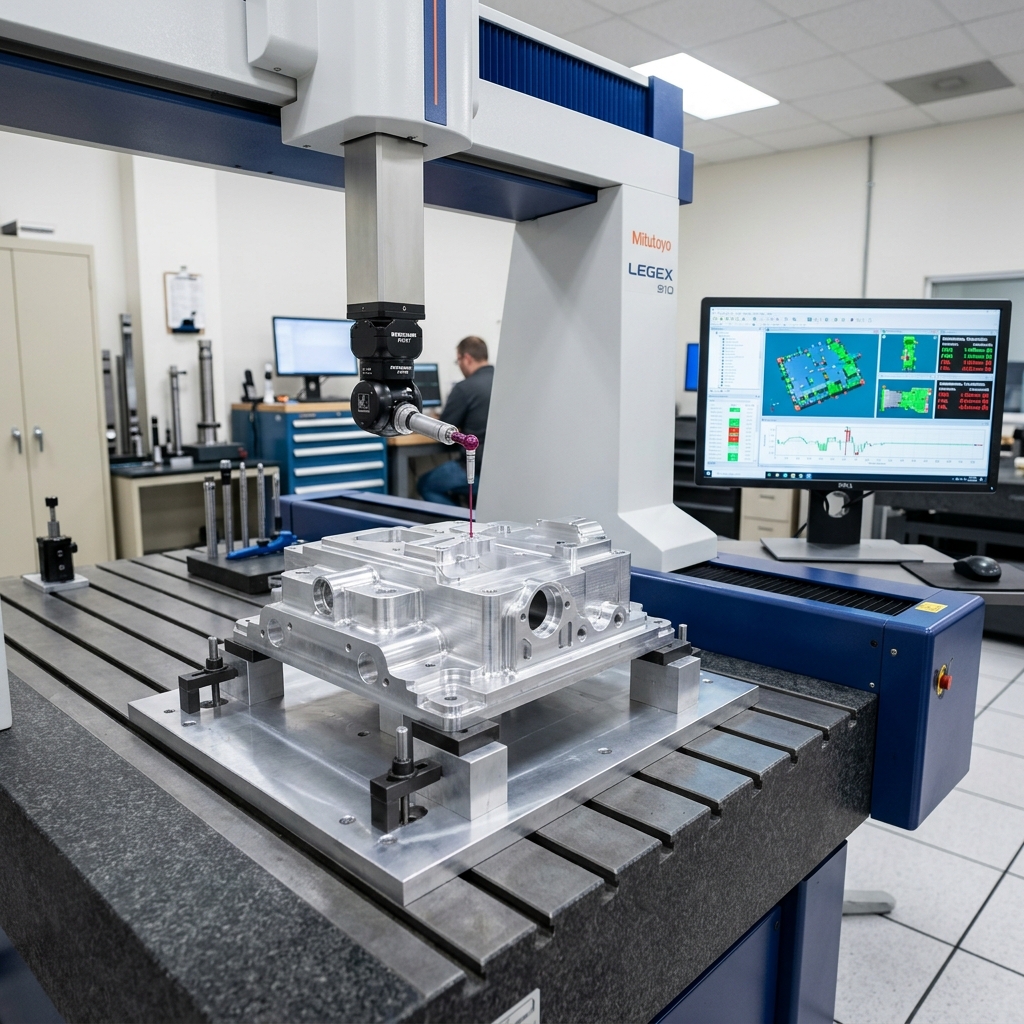
Offshore rejection rates are typically 3-5x higher than domestic. When parts fail inspection, you pay for the bad parts, the replacement order, additional shipping, and the delay to your project timeline. For critical applications, one quality escape can cost more than the entire order.
Pro tip: For quantities under 1,000 parts, domestic manufacturing is almost always the better value when you factor in total cost and lead time. Offshore makes more sense for high-volume commodity parts where quality requirements are less critical.