What happened
Illustration: RivCut
TSMC began installing chip-making tools at its second Arizona fab this week, hitting a milestone that had been months in the planning. The Phoenix site, which the company calls Fab 2, represents a $40 billion bet on bringing advanced chip production back to American soil. Tool installation is the phase that turns an empty cleanroom into an actual fab — and it's where most semiconductor projects go off the rails. IndustryWeek first reported the milestone, which TSMC followed with its own statement to investors. This installation is a critical step in setting up the manufacturing facility.
The company says it remains on track for first wafer-out in late 2026 using its 3-nanometer process, the same node currently producing chips for Apple's iPhone and AMD's latest server processors. Apple, Nvidia, and AMD have all booked production capacity at the Phoenix site, and TSMC has committed to building a third fab on the same campus by 2028. Combined, the three fabs would make Phoenix one of the largest leading-edge chip clusters anywhere outside Taiwan. Having multiple fabs in one location helps lower costs and share resources.
Why it matters for manufacturers
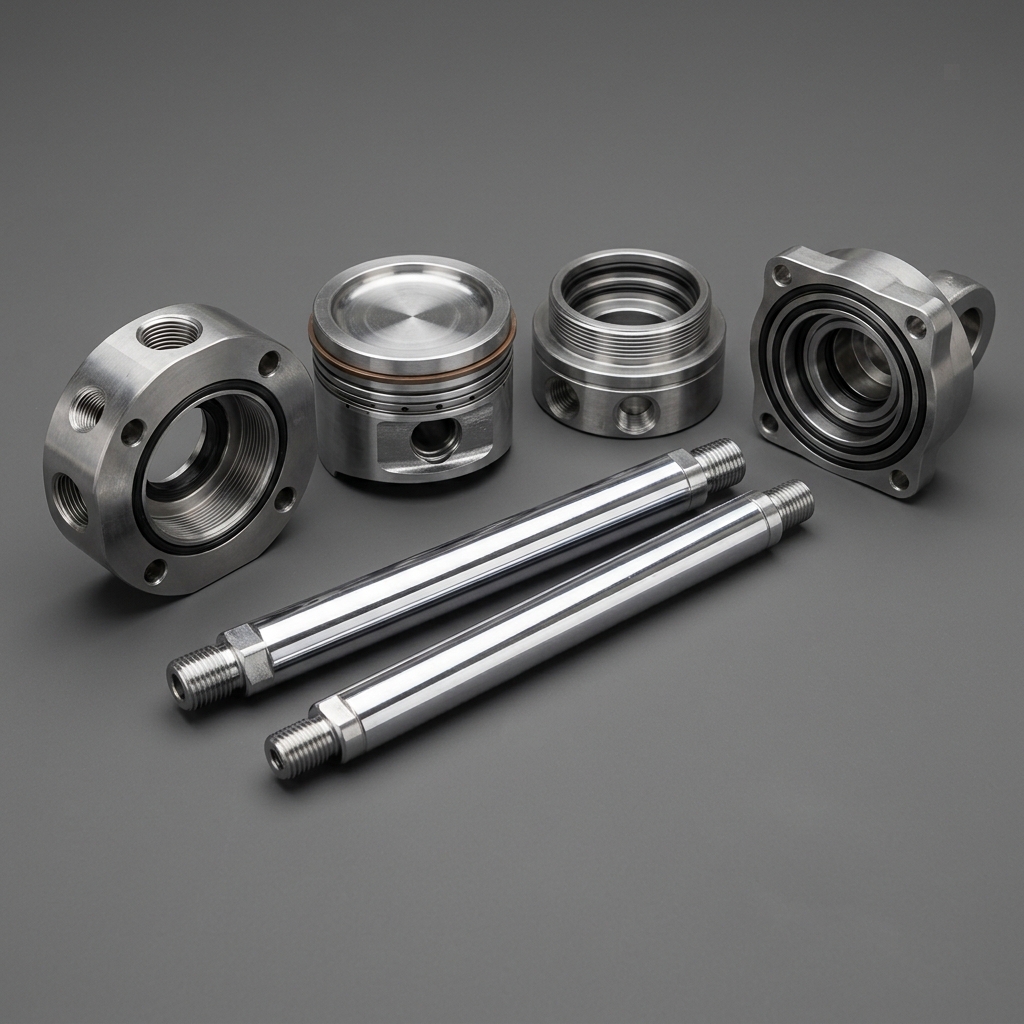
Illustration: RivCut
The construction phase of a fab is straightforward compared to what comes next. Pouring concrete, running power, and building cleanrooms are problems the construction industry has been solving for decades. Tool installation is a different game. Each piece of equipment costs between $5 million and $300 million, and most of it has to be aligned to within micrometers of where the design says it goes. EUV lithography systems from ASML — the machines that pattern the most advanced chips — weigh more than a mid-size car and have to land on vibration-isolated foundations. If a single tool goes in wrong, the wafers it produces will fail downstream tests, and the fix can take months. That's why this milestone matters more than the groundbreaking did three years ago: it's the moment the project transitions from a construction job to a manufacturing one.
For US machine shops and component suppliers, the bigger story is what TSMC isn't talking about much — labor. The company needs roughly 4,500 fab technicians at full production. The United States hasn't trained that many semiconductor manufacturing engineers in one place since the 1990s, when the domestic chip industry consolidated and most of the workforce migrated to Texas, Oregon, or overseas. Arizona's community college system has launched accelerated chip-tech programs in response, and TSMC has flown hundreds of Taiwanese engineers to Phoenix on rotating assignments to train American crews. Pay for an entry-level fab technician with a two-year associate's degree now starts around $60,000, and experienced techs clear six figures within five years. That's competitive with what a journeyman CNC machinist earns in California, and it's pulling talent that would otherwise have gone into precision machining.
The labor lesson applies far beyond chips. Every reshoring story we're tracking — Boeing's push to bring 737 fuselage work back in-house, Stryker relocating pacemaker production from Mexico to Minnesota, Hyundai Mobis breaking ground on its Georgia battery plant — runs into the same wall. The buildings get built. The tariffs get paid. Then the question becomes: who actually runs the machines? Skilled trade programs are growing, but the timeline to train a CNC machinist from scratch is two to four years, and the timeline to train a fab technician is longer still. Companies that committed to reshoring in 2022 are realizing now that the workforce side of the equation is the real bottleneck, not the capital side.
The Shift in Domestic Production
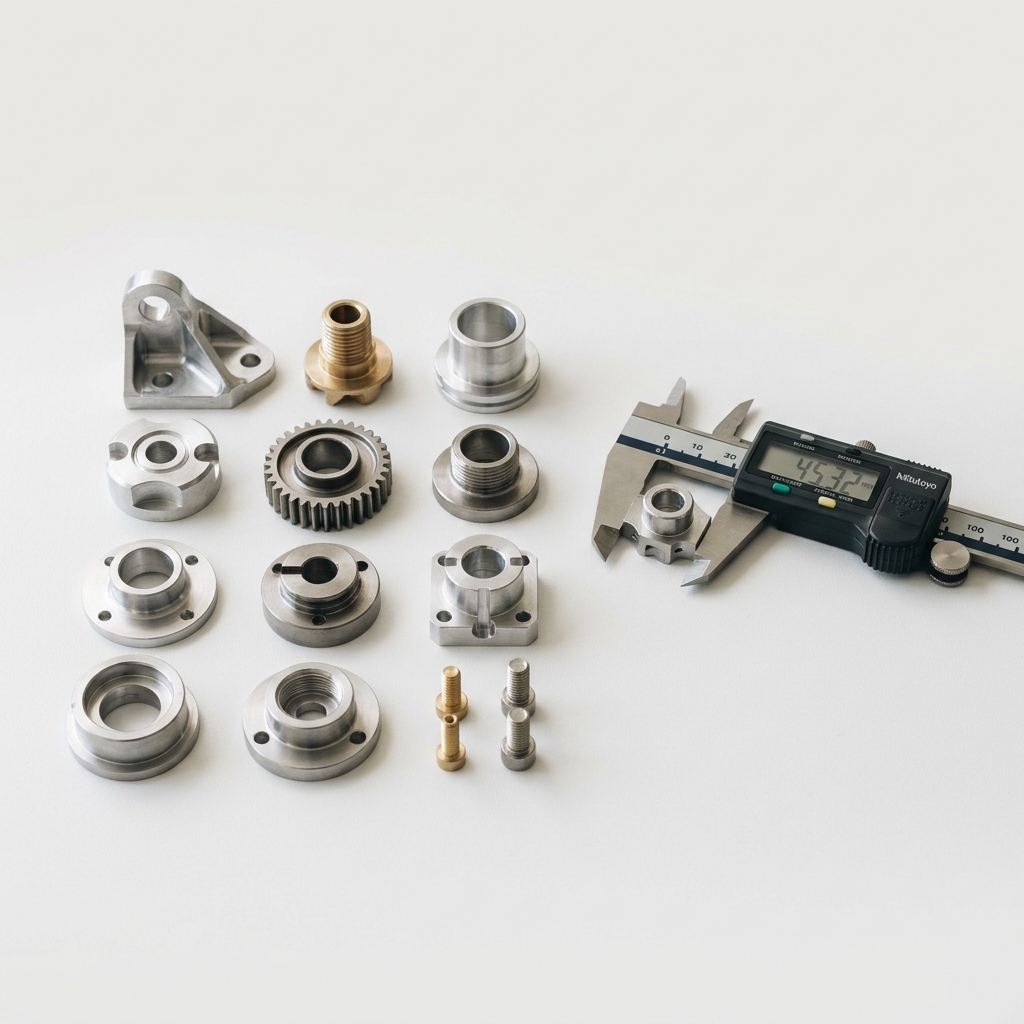
Illustration: RivCut
The movement to build more manufacturing plants in the United States is accelerating. For many years, companies believed that moving operations overseas was the only way to stay competitive. This low-cost focus left U.S. supply chains vulnerable to global events. Now, companies are reshoring to avoid long shipping delays and high transport costs. Making products closer to U.S. customers is a key way to reduce risks and ensure reliability.
However, reshoring is a slow process that requires a lot of preparation. A new factory cannot run without a network of local suppliers. These suppliers provide raw materials, custom components, and repair services. Building a strong domestic network takes years of planning and investment. U.S. machine shops must prove they can produce high-quality parts at competitive prices. This local expansion is essential for creating stable manufacturing ecosystems.
Local production also improves communication between buyers and suppliers. Engineers can easily visit a local shop to inspect work or discuss design improvements. This close collaboration reduces errors and speeds up production. It also allows suppliers to quickly adjust their output when the buyer's needs change. The growth of domestic factories represents a major opportunity for local machine shops that are ready to meet the challenge.
Advancements in Manufacturing Technology
Modern factories are using advanced technology to run more efficiently. One major trend is automation. In a chip factory, automated vehicles carry materials along tracks on the ceiling. This keeps the delicate wafers perfectly clean and prevents human error. By using robots to handle materials, factories can improve their yields and lower their costs. Automation is also helping smaller shops stay competitive.
Precision machining has also advanced. CNC machines use computer programs to cut metal with extreme accuracy. They can produce complex parts with tolerances of less than a thousandth of an inch. These parts are used in critical applications like gas delivery systems and vacuum chambers. By using advanced machines, shops can produce these components quickly and reliably with very little waste.
Finally, quality control has become digital. Inspection systems use lasers and probes to check the dimensions of parts in seconds. The system compares the physical part to the digital design to ensure it is perfect. This creates a detailed record of quality that is needed to prove the parts meet strict industry standards. As technology continues to improve, factories will become even smarter and more productive.
What to watch next
Three signals worth tracking over the next quarter. First, whether TSMC publishes a workforce update with actual headcount versus target — the company has historically been quiet on this number, which is itself a signal. Second, how Intel's parallel Ohio One project handles the same labor question; tool installation there has slipped to mid-2027, and labor availability is rumored to be part of the reason. Third, watch for a CHIPS Act 2.0 conversation in Washington that pivots the funding focus from construction subsidies toward workforce training. If the political read on the first wave of fabs is that they got built faster than they got staffed, the next round of money will follow that lesson.
For more analysis on semiconductor manufacturing and supply chains, visit our manufacturing news section.
Frequently Asked Questions (FAQ)
What is tool installation in a chip factory?
Answer: Tool installation is when chipmaking equipment is placed and aligned inside a cleanroom. This is the hardest part of building a factory because tools are very delicate.
Why is TSMC building factories in Arizona?
Answer: TSMC wants to make advanced chips in the United States to secure the supply chain for U.S. tech companies like Apple, AMD, and Nvidia.
What is the main challenge for TSMC's Arizona factories?
Answer: The main challenge is finding enough skilled workers. TSMC needs thousands of engineers and technicians to run the advanced cleanrooms.
How are schools in Arizona helping TSMC with hiring?
Answer: Local community colleges have created quick training programs to teach students how to operate and maintain chipmaking machines.
Building a fab is the easy part. Hiring 4,500 Americans who can run it is the project nobody put on the schedule — and the same lesson applies to every reshoring story we're tracking.