What happened
Illustration: RivCut
The Solar Manufacturing USA 2026 conference in Austin will focus on what domestic solar factories have actually produced, not what they promised to build. According to pv magazine, the event shifts attention from capacity announcements to measurable outcomes. These include cost per watt, yield rates, and technology choices across ingots, wafers, cells, and modules. The conference will also examine how tariff policy and domestic content rules are reshaping sourcing decisions for the full solar value chain.
U.S. solar manufacturing capacity announcements topped 60 gigawatts over the past three years. However, actual U.S. shipments of panels are much lower. They are under fifteen gigawatts per year. This gap has made developers very skeptical. They need to buy U.S. panels to get tax breaks. But they cannot find enough supply. The Austin conference will be a reality check. It will show which factories are open and running. It will also show which plans are just on paper.
Three cell technologies are competing right now. They are back contact, heterojunction, and TOPCon. Each technology has different costs. They also have different steps to build. The conference will compare these choices. It will help manufacturers decide which one to use. Buyers want proof that these technologies work in real factories. They want to see good margins. They do not want to buy from factories that might shut down.
The rules for tax credits are very strict. The government wants solar panels to have U.S. parts. This is called domestic content. If developers use these parts, they get more tax breaks. Because of this, developers are desperate for U.S. cells. They are looking for factories that can ship cells today. The Austin event will help them find partners. It will also show how difficult it is to set up a new production line.
Competing solar cell technologies
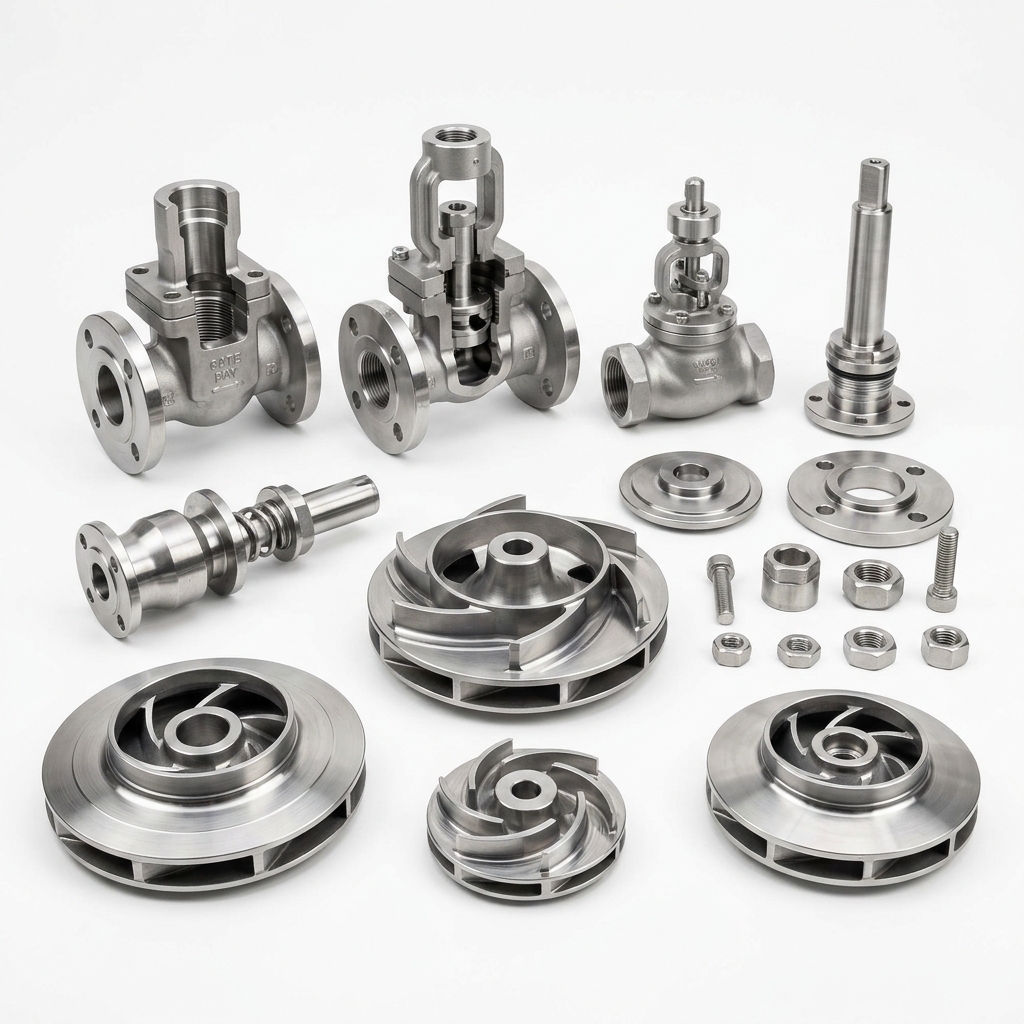
Illustration: RivCut
The three cell technologies have different benefits and challenges. TOPCon is the most popular choice today. This stands for Tunnel Oxide Passivated Contact. It is popular because it is similar to older designs. Manufacturers do not have to buy all new machines. They can just upgrade their existing lines. This saves a lot of money. It also lets them start production faster. This is a big advantage for companies with limited capital.
Heterojunction technology is different. It is often called HJT. This design is highly efficient. It combines two different types of silicon. But it is very hard to build. It requires specialized cleanrooms. It also needs expensive chemical systems. The machines have long lead times. This means factories take longer to build. The equipment also costs much more than TOPCon upgrades. However, HJT panels perform better in very hot weather.
Back contact cells are the most complex of all. They move all electrical wires to the back of the cell. This leaves the front completely clear. The cell can absorb more light this way. It also looks much better on roofs. But building these cells is very difficult. It requires lasers to cut tiny patterns on the silicon. It also needs very precise robots to align the parts. If the alignment is off by a fraction of a millimeter, the cell will fail.
Why it matters for manufacturers
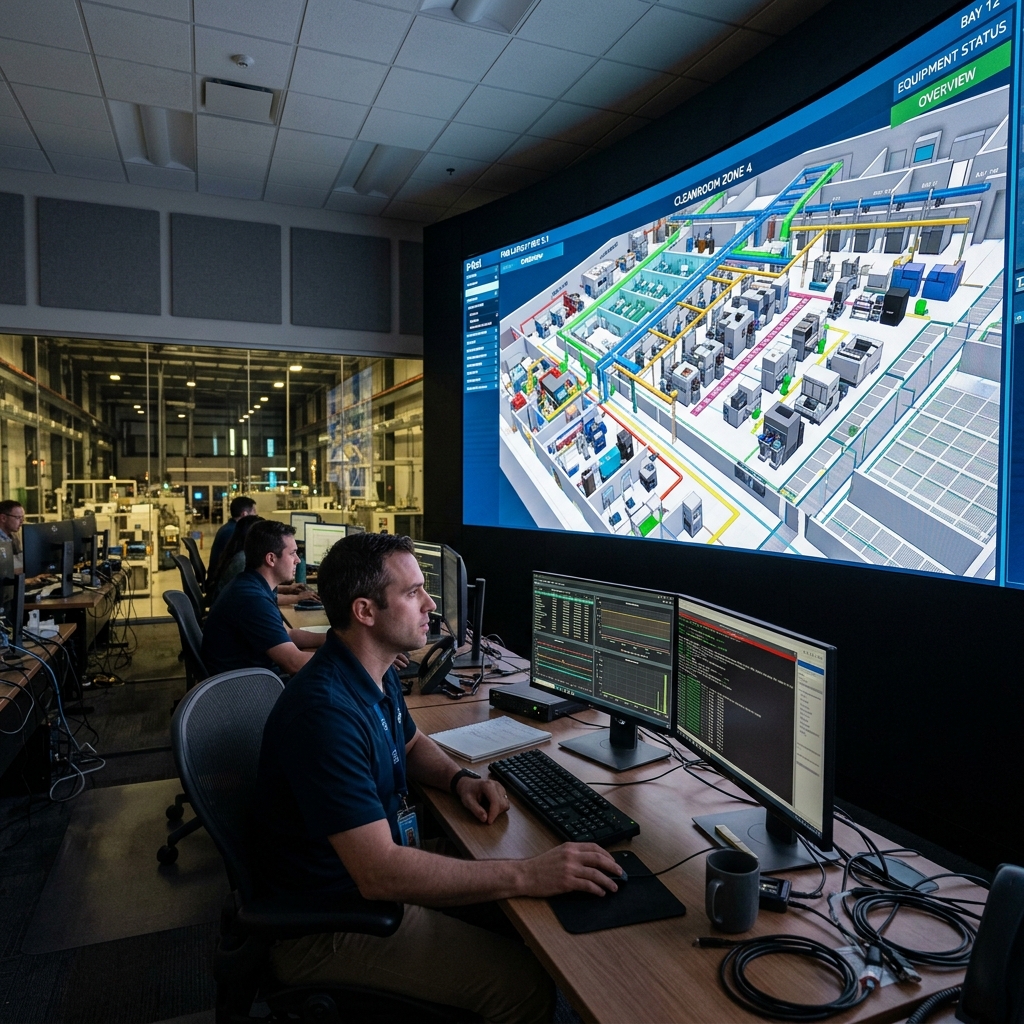
Illustration: RivCut
Solar factories need a lot of custom equipment. They need automated assembly lines. They need thermal ovens. They also need quality control systems. All of these machines need custom parts. They need machined brackets, alignment tools, and custom fixtures. This creates work for local machine shops. Shops that make parts for airplanes or computers can easily make these parts. But they must deliver high quality. Solar lines run fast, and parts must not wear out.
Yield rates are the most important number in a factory. This is the percentage of good parts made. If a factory has low yield, it loses money. U.S. factories must compete with Asian plants. Those plants have been running for years. They have very high yield rates. U.S. factories must use advanced testing. They need coordinate measuring machines. They also need camera inspection. If they find defects early, they can fix the line. This prevents wasting expensive silicon.
The choice of cell technology affects the whole supply chain. If a factory chooses TOPCon, they can reuse many old fixtures. This is good for saving cash. But if they choose heterojunction, they need all new tools. For suppliers, this is a major factor. They must know what technology their customers are using. A supplier might invest in tools for HJT, only to see the customer switch to TOPCon. This is a big risk.
Tariffs are also pushing earlier stages of manufacturing to the U.S. This includes making wafers and ingots. Slicing silicon ingots into wafers requires special wire guides. It also needs high-purity quartz containers. These parts must withstand extreme heat. Machining these materials is very hard. But if U.S. wafer capacity grows, the demand for these parts will spike. This is a great opportunity for specialized machine shops.
What to watch next
We must watch which factories report actual monthly shipments. Do not trust capacity announcements. Many companies hold ribbon-cutting ceremonies but never make panels. Look for factories that publish yield rates and uptime. These companies are the ones that will survive. Sourcing from a factory that is not running is a recipe for disaster. Developers must choose their suppliers very carefully.
We should also watch for consolidation in cell technology. If the industry chooses one design, equipment orders will focus on that design. This will make it easier for suppliers to build parts. But if all three designs continue to compete, the market will remain split. This means smaller order volumes for each design. It also means higher costs for everyone. A clear winner would help the U.S. supply chain grow faster.
Pay attention to long-term contracts. Wafer makers need to secure buyers before they build factories. If they sign contracts with module makers, it shows real demand. This makes it easier for them to get loans. It also means they will order more tooling. Without these contracts, startups will remain small. Their orders for machined parts will be sporadic and hard to predict.
Finally, watch how the government defines domestic content. If the rules get tighter, demand for U.S. cells will grow. This will help local factories stay busy. But if the rules stay loose, developers will keep importing cheap parts. This would make it hard for U.S. factories to compete. Policy is the biggest driver of solar manufacturing today. We must track how it changes.
Frequently Asked Questions (FAQ)
What is the focus of Solar Manufacturing USA 2026?
Answer: The conference focuses on actual shipment numbers, manufacturing yield rates, and technology costs rather than simple capacity announcements.
What are the three main cell technologies used in modern solar manufacturing?
Answer: The three dominant technologies are TOPCon (Tunnel Oxide Passivated Contact), Heterojunction (HJT), and Back Contact cell designs.
Why is the gap between announced and actual solar production so large?
Answer: Many projects face delays due to equipment lead times, financing hurdles, grid connection issues, and a lack of domestic component suppliers.
How do domestic content rules affect solar project developers?
Answer: The rules require developers to source a percentage of their equipment from U.S. factories to qualify for full tax credits, driving demand for local cells.
A factory choosing TOPCon might reuse 60% of existing fixtures; a heterojunction line means starting from scratch.