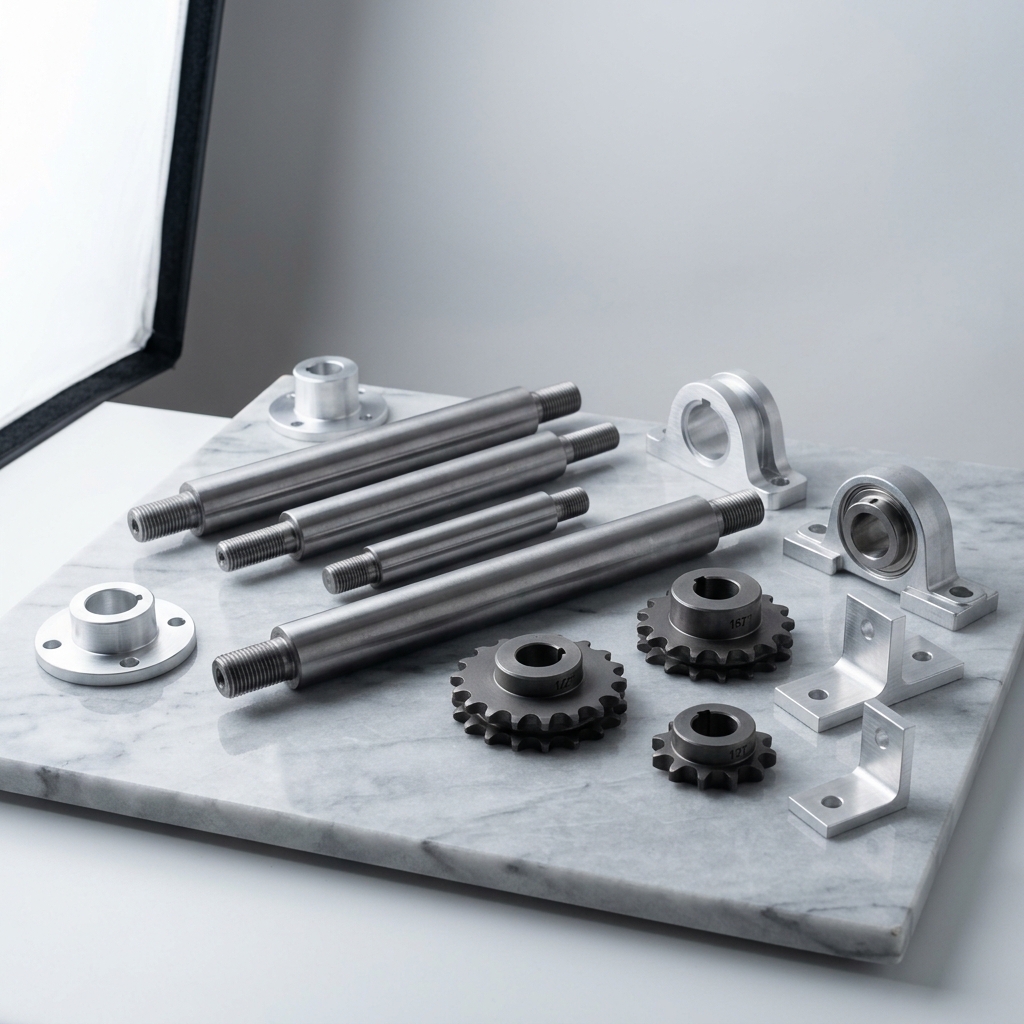
What happened
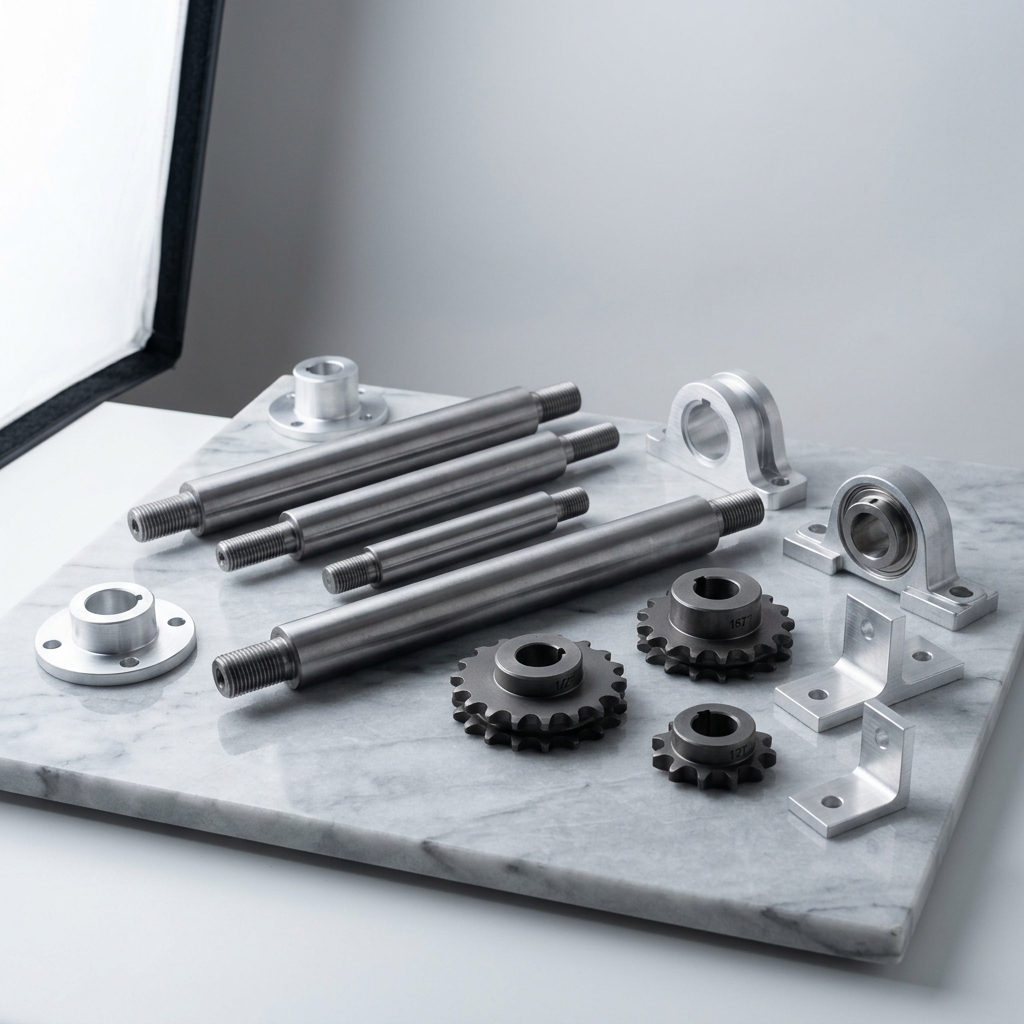
Illustration: RivCut
Nissan Motor Company has canceled plans to manufacture electric vehicles at its Canton, Mississippi assembly facility. Instead, the automaker will retool the plant to produce body-on-frame trucks and SUVs powered by conventional drivetrains. The decision reverses commitments Nissan made in 2024 to convert the 6,400-employee facility into an EV production hub. This pivot is part of a broader shift in Nissan's North American product strategy.
The Canton plant currently builds the Frontier pickup and several commercial van models. Nissan has not disclosed which specific truck platforms will replace the canceled EV program. However, industry observers expect the company to expand production of Titan and Armada variants to capture demand in the full-size segment. The automaker cited shifting market conditions and updated capital allocation priorities when announcing the change.
This marks the second major automaker to walk back American EV manufacturing plans in 2026. Ford delayed its Kentucky battery plant expansion in February. Meanwhile, General Motors pushed back timelines for converting its Orion Assembly facility from gasoline to electric production. Nissan's move is notable because Canton was positioned as a cornerstone of the company's battery-electric vehicle rollout across North America.
The change shows that automakers are adjusting to a reality that the market has been signaling for many months. EV adoption is slower and more uneven than early projections suggested. Consumers are still buying gasoline and hybrid vehicles in large numbers. This has led carmakers to rethink their factory setups.
Retooling means major changes to the plant's labor force. The Canton workers will need extensive retraining. The shift to body-on-frame vehicles requires different skills than EV assembly. It also changes the safety protocols and training requirements. The transition is complex and will take several months to complete.
Why truck manufacturing is growing
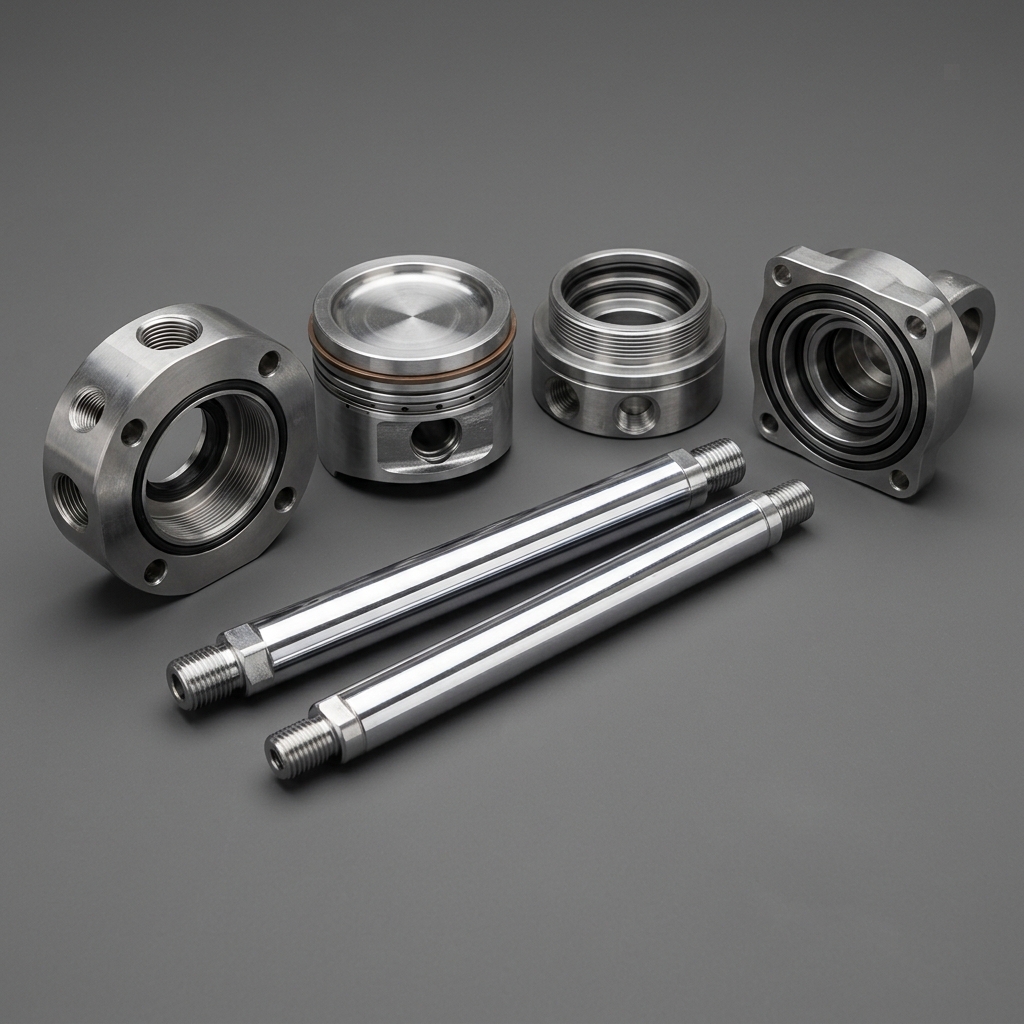
Illustration: RivCut
Truck manufacturing has always been a highly profitable area for major automakers. In the United States, pickup trucks and large SUVs sell in massive numbers. These vehicles are used for work, recreation, and family transportation. They often carry higher price tags and generate better profit margins than smaller sedans or electric hatchbacks. By focusing on trucks, Nissan is betting on a stable and highly lucrative market.
Retooling the Canton facility for trucks involves modifying the assembly line to handle heavy steel frames. Unlike unibody cars, where the body and frame are one piece, body-on-frame trucks have a separate, heavy-duty chassis. This chassis holds the engine, transmission, and suspension. Assembling these parts requires specialized cranes, heavy-duty welding robots, and robust material handling systems.
Additionally, building trucks requires a strong network of suppliers. These suppliers must provide heavy metal stampings, cast iron engine blocks, and complex transmission components. These parts are very different from the lightweight aluminum enclosures and battery cells needed for electric vehicles. By sticking with trucks, Nissan can continue using its established supply chain in the Southeast.
Consumer preferences also play a major role in this trend. Many American buyers prefer larger vehicles for their utility and road presence. Work trucks are always in high demand by construction and service businesses. This makes truck sales much more predictable and stable than new technology categories like electric vehicles.
Why it matters for manufacturers
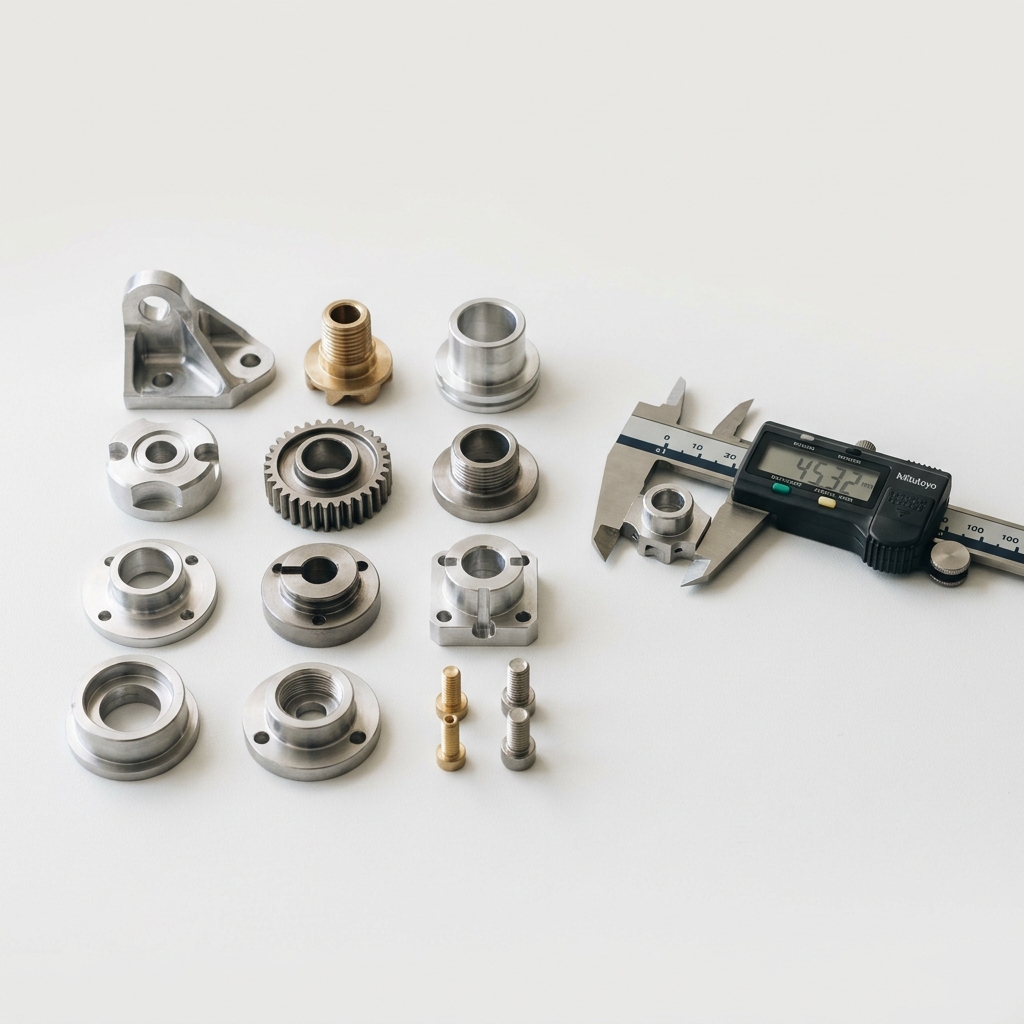
Illustration: RivCut
Automakers are adjusting to a new market reality. EV adoption is slower and more uneven than early projections suggested. For suppliers and contract manufacturers, this creates both risk and opportunity. Companies that invested heavily in EV-specific tooling—such as battery enclosures, motor housings, and thermal systems—now face uncertain order volumes. Nissan's decision means those suppliers serving the Mississippi plant will need to pivot or find new customers fast.
At the same time, the return to body-on-frame truck production stabilizes demand for traditional machined parts. Transmission cases, differential housings, and structural steel components see longer production runs and more predictable lead times than the rapidly changing EV market. Shops doing high-precision CNC work know this well. Mature platforms with established tolerances are easier to quote. They are also faster to turn around than prototype-stage electric drivetrains.
The shift also highlights a broader challenge in capacity planning. Automakers are not abandoning electrification altogether. Instead, they are slowing the pace and concentrating investment in fewer, higher-volume models. That creates a split supply chain. Some suppliers chase shrinking EV contracts, while others benefit from extended combustion-engine lifecycles. For procurement teams, the lesson is clear. Sourcing diversification matters more than betting on a single powertrain technology.
Quality requirements remain consistent regardless of what Nissan builds in Canton. Inspection protocols and dimensional verification do not change when a plant switches from EV components to truck chassis parts. If anything, body-on-frame platforms demand tighter tolerances on structural welds and mounting surfaces. This is because they carry heavier loads over longer service lives. Suppliers that maintained rigorous QA through the EV hype cycle are better positioned now.
Retooling also requires major updates to the factory's heavy machinery. Automakers must buy massive stamping presses and transport systems to handle steel frames. This creates demand for local component suppliers who can build brackets, custom tooling, and safety guards. Machine shops that specialize in heavy-duty tools can win major contracts during the plant retooling phase.
What to watch next
Nissan will likely announce specific truck models for Canton by the third quarter of 2026. This announcement will clarify supplier opportunities. If the company brings Titan production in-house from its current Tennessee operation, that could trigger a wave of retooling bids. Fabs will compete for stamping, welding, and assembly equipment contracts. Pay attention to whether Nissan commits to diesel or hybrid variants. Either would require different supply chains than pure gasoline platforms.
The broader question is whether other automakers follow Nissan's lead. Stellantis and Toyota have both signaled they will maintain flexible manufacturing footprints. They want plants that can shift between EV and combustion production. If more companies hedge their electrification timelines, the parts ecosystem will stabilize around dual-platform strategies. This would extend demand for traditional machining capabilities well past 2030.
For manufacturers watching these moves, the takeaway is not that EVs are dead. Instead, the transition is taking longer and costing more than anticipated. Companies that kept combustion-engine expertise alive while selectively pursuing EV opportunities are in the strongest position. Read more analysis on how policy and demand are reshaping American factories at our US Manufacturing News section.
Local machining suppliers should keep a close eye on the contract bids for the Canton plant. RETOOLING requires many custom fixtures that cannot be imported. Local shops that can deliver prototype tools in under three weeks will have a huge advantage. This transition is a great opportunity for Southeast machine shops to grow their automotive business.
Frequently Asked Questions (FAQ)
Why did Nissan cancel EV plans at the Canton, Mississippi plant?
Answer: Nissan canceled the plans due to cooling market demand for electric vehicles. The company decided to focus on more profitable truck and SUV models instead.
Which vehicle models are currently built at Nissan's Canton plant?
Answer: The Canton plant currently builds the Nissan Frontier mid-size pickup truck and several commercial van models.
How does Nissan's pivot affect local component suppliers?
Answer: Suppliers that invested in EV-specific parts face lower volumes, while those supplying traditional engine and chassis parts gain more stable, long-term contracts.
What is the difference between body-on-frame and unibody vehicles?
Answer: Body-on-frame vehicles have a separate frame that holds the engine and body, which is common in tough trucks. Unibody vehicles have the frame and body built as one piece, which is typical for cars.
Automakers are learning what suppliers already knew: betting everything on one powertrain technology is bad business.