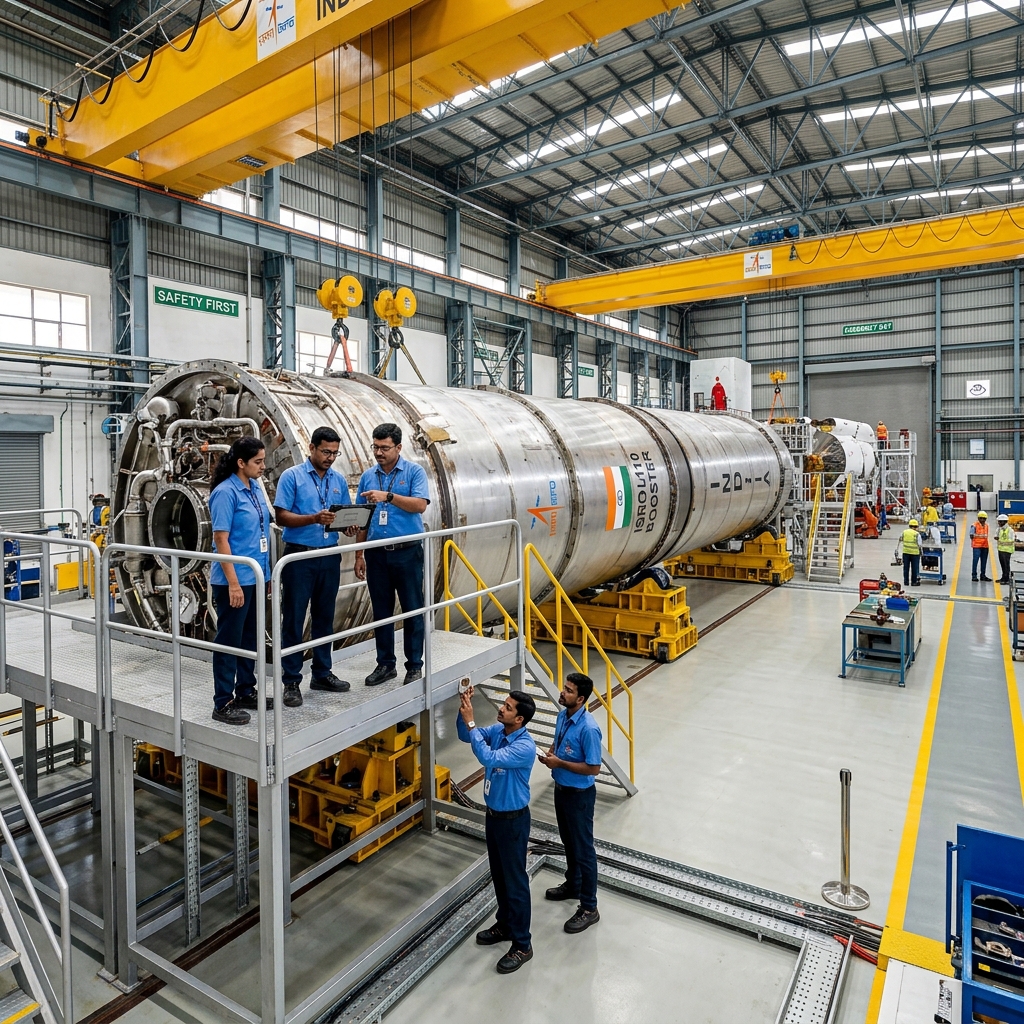
What happened

Illustration: RivCut
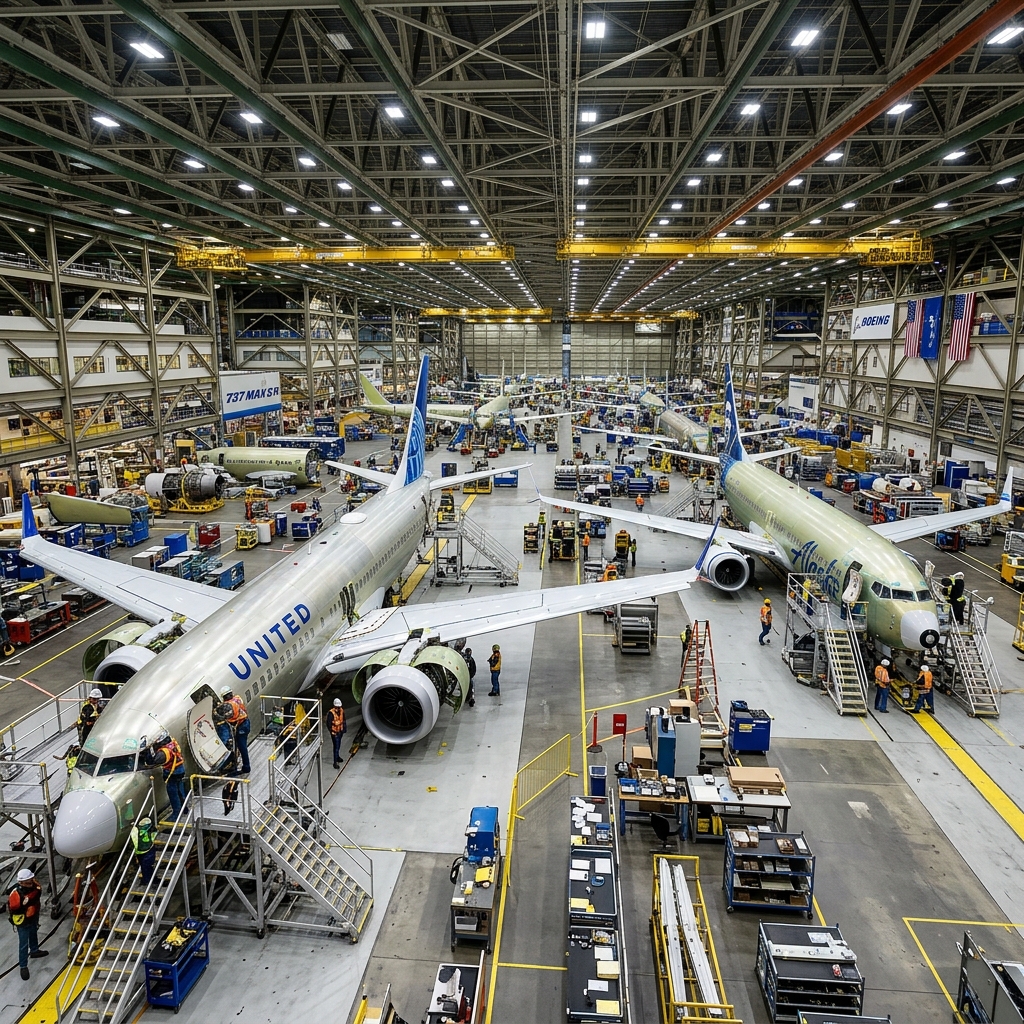
Boeing is raising its 737 MAX production rate from 42 aircraft per month to 47 in the coming weeks, according to Investing.com. The company has outlined a longer roadmap targeting 63 jets monthly, with internal feasibility studies now evaluating whether 70 per month is achievable. CEO Kelly Ortberg described the higher production scenarios as study activity, emphasizing that any ramp depends on supply chain capacity to support increased volume.
To enable the expansion, Boeing will open a second 737 assembly line at its Everett, Washington facility on July 6, 2026. The move comes as competitor Airbus struggles with supplier bottlenecks that have pushed its goal of producing 75 A320neo jets per month into late 2027. Boeing's production planning appears designed to capitalize on this window while Airbus works through constraints in its own supply base.
The company has not committed to the 70-per-month target publicly. Ortberg's comments suggest Boeing is testing whether tier-one and tier-two suppliers can scale materials, components, and subassemblies to match the OEM's ambitions. The Everett line represents infrastructure investment ahead of demand confirmation, a calculated risk given Boeing's recent production troubles and regulatory scrutiny.
The leadership of Kelly Ortberg is a key factor. He is the new CEO of Boeing, taking over during a time of intense pressure. Ortberg is a trained engineer. He previously ran Rockwell Collins, a major aerospace electronics supplier. This background gives him a deep understanding of how aerospace supply chains work. Sourcing managers believe Ortberg will focus on fixing supply issues before trying to push production rates too high. He has stated that quality and safety must come first.
The choice of the Everett facility is also interesting. Historically, Everett was built to manufacture giant widebody jets like the 747 and the 777. Squeezing a narrowbody 737 assembly line into this space is a major shift. But it makes sense. The widebody market has been slow, leaving Everett with extra space. By moving some 737 production to Everett, Boeing can use existing workers and facilities. This avoids the cost of building new factories in other states.
Why it matters for manufacturers
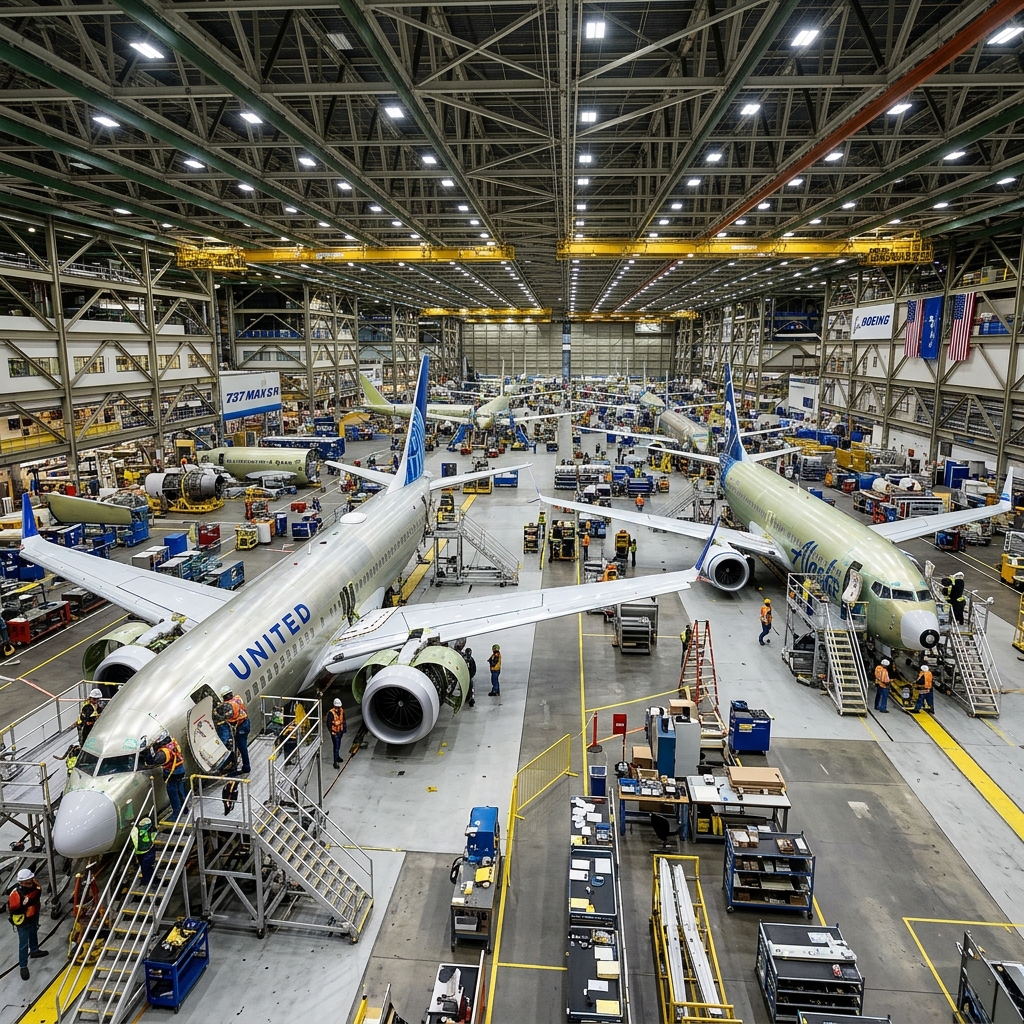
Illustration: RivCut
Production rate announcements from Boeing and Airbus translate directly into demand signals for the entire aerospace supply chain. A shift from 42 to 63 MAX jets per month represents a 50 percent increase in parts volume across thousands of components. Shops already stretched on aerospace machining contracts will face decisions about capital investment, workforce expansion, and whether to take on additional programs when lead times are already running 16 to 20 weeks for many precision parts.
The supply chain skepticism in Ortberg's language is telling. Boeing cannot unilaterally decide to build 70 jets a month if fastener suppliers, landing gear manufacturers, or machined component vendors lack capacity. This is not a theoretical concern. Airbus publicly blamed supply shortages for missing its own A320 ramp targets, and those same suppliers often serve both OEMs. Tier-two and tier-three shops that committed capacity to Airbus programs may not have room to absorb Boeing's acceleration without turning away other work or making expensive tooling investments with uncertain payback timelines.
The July opening of the Everett line also signals Boeing's belief that demand will support higher output through the end of the decade. For component manufacturers, this creates a strategic choice: invest now in additional 5-axis CNC milling capacity and CMM inspection infrastructure to capture volume, or remain conservative and risk losing share to competitors willing to scale faster. The risk cuts both ways. Overcommit to Boeing's roadmap and you may be left with idle machines if the ramp stalls. Undercommit and you lose the chance to lock in long-term contracts at a time when aerospace work offers better margins than most commercial sectors.
What suppliers need from Boeing is not aspiration but commitment. Purchase orders with firm delivery schedules, multi-year agreements that justify capital expenditure, and transparent communication about which production scenarios are planning exercises versus funded programs. Without that clarity, machine shops face the worst possible situation: pressure to add capacity based on optimistic forecasts, followed by order cancellations if the market softens or regulatory issues resurface.
Manufacturers must understand the difference between single-sourced and multi-sourced parts. In aerospace, qualifying a new supplier is a slow and expensive process. Many parts are single-sourced. This means if a single machine shop making a critical wing bracket shuts down, the entire assembly line stops. This is the single-point-of-failure risk. RivCut has worked with many customers to help them qualify alternate suppliers, which helps protect their production lines from these sudden shutdowns.
The labor shortage also makes this ramp difficult. Aerospace parts must be machined by highly skilled workers who understand GD&T callouts and material properties. You cannot hire these workers in a few weeks. It takes years of training to build a skilled machinist. As Boeing and Airbus try to expand, they will compete with local job shops for the same workers. This is driving up labor costs across the sector, making automation even more important for smaller shops.
What to watch next
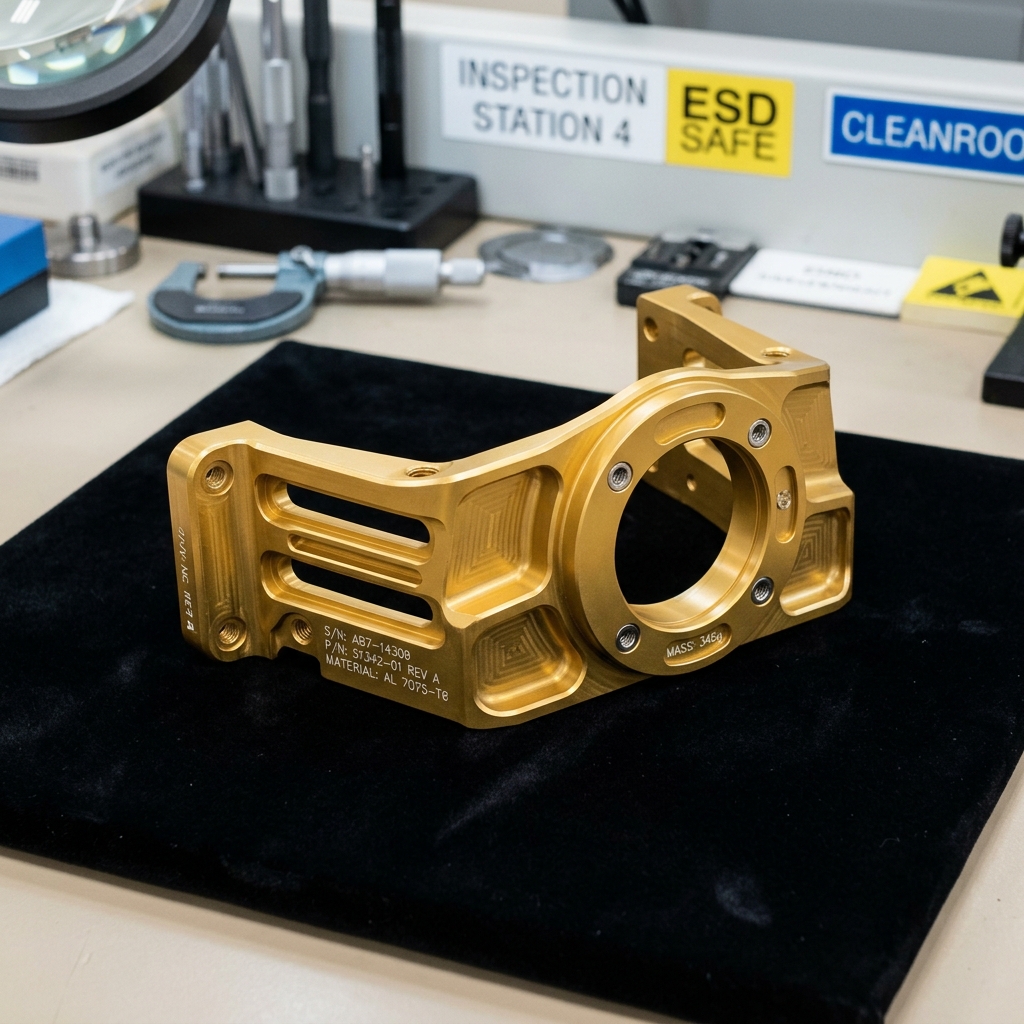
Illustration: RivCut
The Everett line opening on July 6 will be the first concrete test of Boeing's readiness. Watch whether the company hits its 47-per-month target in Q3 2026 or if supply constraints force another delay. Any slip there undermines confidence in the 63-per-month plan, let alone the 70-jet study scenario.
Equally important is how Airbus responds. If the European OEM resolves its supply issues faster than expected and accelerates its A320neo ramp in late 2027, the competitive pressure intensifies. Shared suppliers may prioritize the customer offering better terms or more predictable volume, leaving Boeing scrambling for second-source options that lack established tooling and quality history.
Tier-one suppliers will start telegraphing their capacity decisions through earnings calls and industry events over the next two quarters. Comments about capital expenditure, hiring plans, or reluctance to commit to higher volumes will signal whether the supply base believes Boeing's numbers. Machine shops should track those signals closely — they are leading indicators of whether purchase orders will follow the headlines or whether this remains aspiration without funding.
We should also watch regulatory actions. The FAA has placed strict caps on Boeing's production rates until they prove their quality systems are stable. The FAA has inspectors stationed inside Boeing plants to monitor assembly processes. Watch if the FAA approves the new Everett line for active production. If they delay approval, Boeing's ramp will stall regardless of supplier capacity. This regulatory oversight adds another layer of uncertainty for suppliers.
Finally, monitor raw material costs. Aerospace manufacturing uses massive amounts of aluminum, titanium, and carbon fiber. If global trade tensions or shipping disruptions drive up material costs, it will squeeze supplier margins. Some suppliers may refuse to increase production unless Boeing agrees to share the risk of material price spikes. Watch if Boeing changes its contract terms to provide more protection for its supply chain.
Frequently Asked Questions
Why is Boeing opening a new 737 assembly line in Everett, Washington?
Boeing is opening the Everett line to expand its 737 MAX production capacity. The company is raising its output rate from 42 to 47 jets per month and is studying whether the supply chain can support rates of 63 or even 70 jets per month in the future.
How does Boeing's expansion plan compare to Airbus?
Boeing is trying to catch up to Airbus, which has set a target of producing 75 A320neo jets per month. However, Airbus has faced supplier bottlenecks that delayed its target to late 2027. Boeing is using this window of opportunity to gain market share.
What is the main bottleneck preventing Boeing from ramping up production?
The main bottleneck is supply chain capacity. Aerospace manufacturing relies on thousands of tier-two and tier-three suppliers for parts like fasteners, landing gear, and machined brackets. If these smaller suppliers cannot scale, Boeing cannot build more jets.
What risks do machine shops face when Boeing announces a production ramp?
Machine shops face the risk of overinvesting in expensive machines and tooling based on optimistic forecasts. If Boeing's plans are delayed or cancelled due to regulatory issues or economic shifts, the shops could be left with idle equipment and unpaid debts.
Boeing can plan for 70 jets a month, but suppliers decide whether it actually happens.