What happened
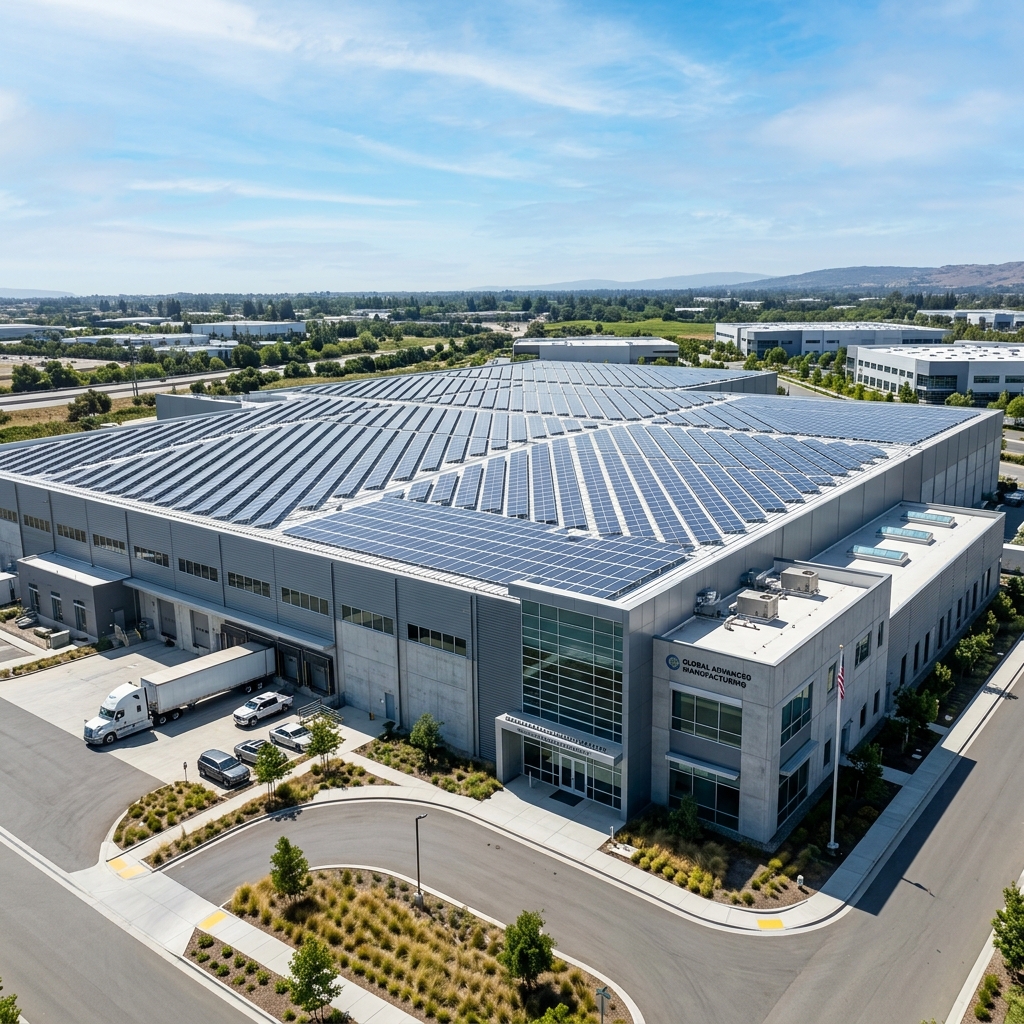
Illustration: RivCut
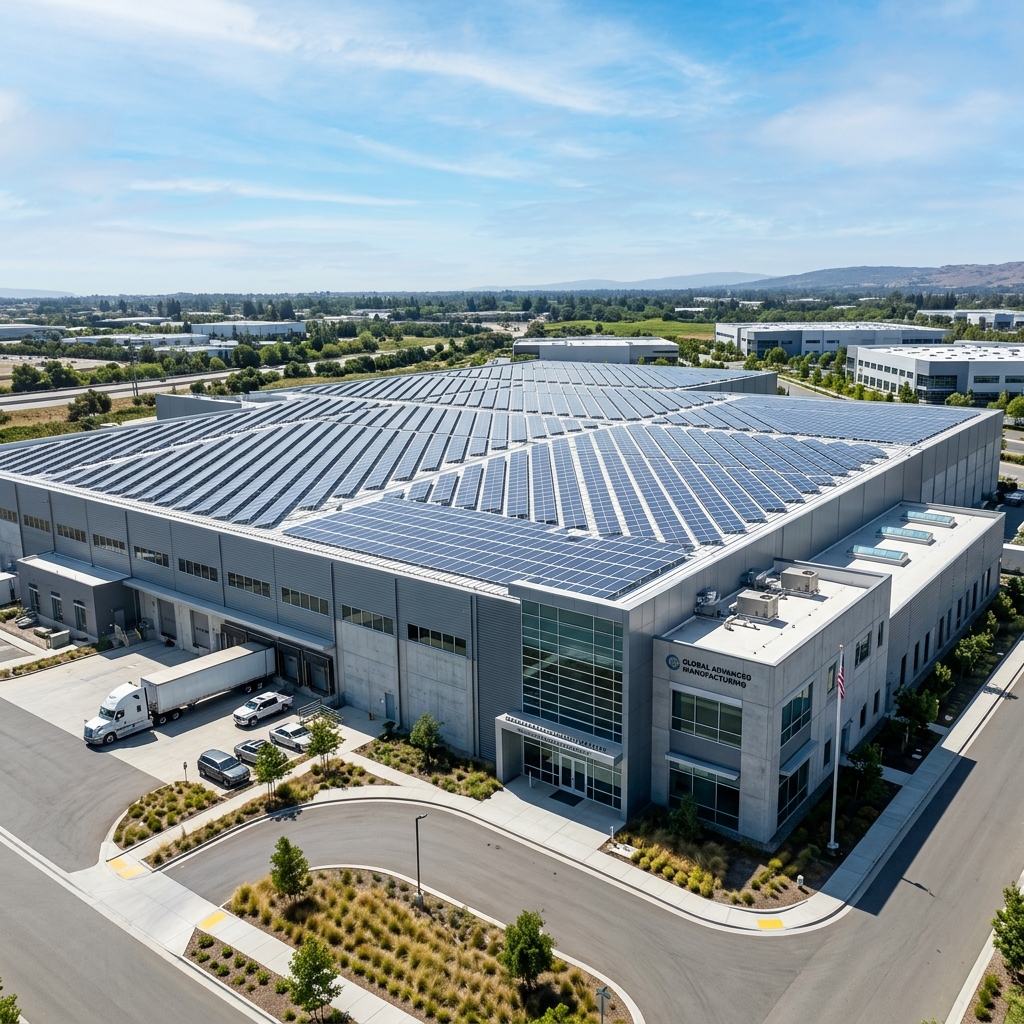
Apple has requested tariff refunds from the U.S. government. They also promised to spend this money on U.S. factories. Tim Cook, the CEO of Apple, announced this decision. The request focuses on taxes paid on parts and products imported from China over the last three years. During this time, trade tensions were high. Tariffs on electronics rose from seven percent to twenty-five percent. This added billions of dollars in costs for Apple. If the government approves the request, it will return a large amount of cash to the company. Cook hopes this cash will help Apple build its domestic supply chain.
The refund request relies on new Trade Adjustment rules. These rules were expanded recently. They allow companies to get tariff refunds under certain conditions. The main condition is that the company must invest the money back into U.S. manufacturing. Apple has not shared the exact dollar amount they are asking for. But experts think the total could be huge. Apple pays a lot of tariffs on iPhones, iPads, and Mac computers. The refund could be between three and four billion dollars. Cook said the money would buy machines for the new Arizona plant. It would also expand their facilities in Texas.
This move follows Apple's recent partnerships in Phoenix. The company is working with TSMC and Foxconn. They are building advanced chip packaging factories in Arizona. These plants are very complex. They will require high-tech cleanrooms. They will also need support from local suppliers. Local shops will need to make brackets, frames, and custom tools. Apple is positioning the tariff refunds as bridge financing. This means the money will help fund the projects until they start running. It is a way to cover the high costs of building new factories in America.
Apple is using government programs to lower the cost of reshoring. Setting up factories in the U.S. is very expensive. By getting tariff refunds, Apple can offset some of these costs. This helps them compete with companies that manufacture only in Asia. The tech giant wants to make sure its supply chain is safe from future trade wars. They want to have more partners close to their domestic markets.
The tariff refund process explained
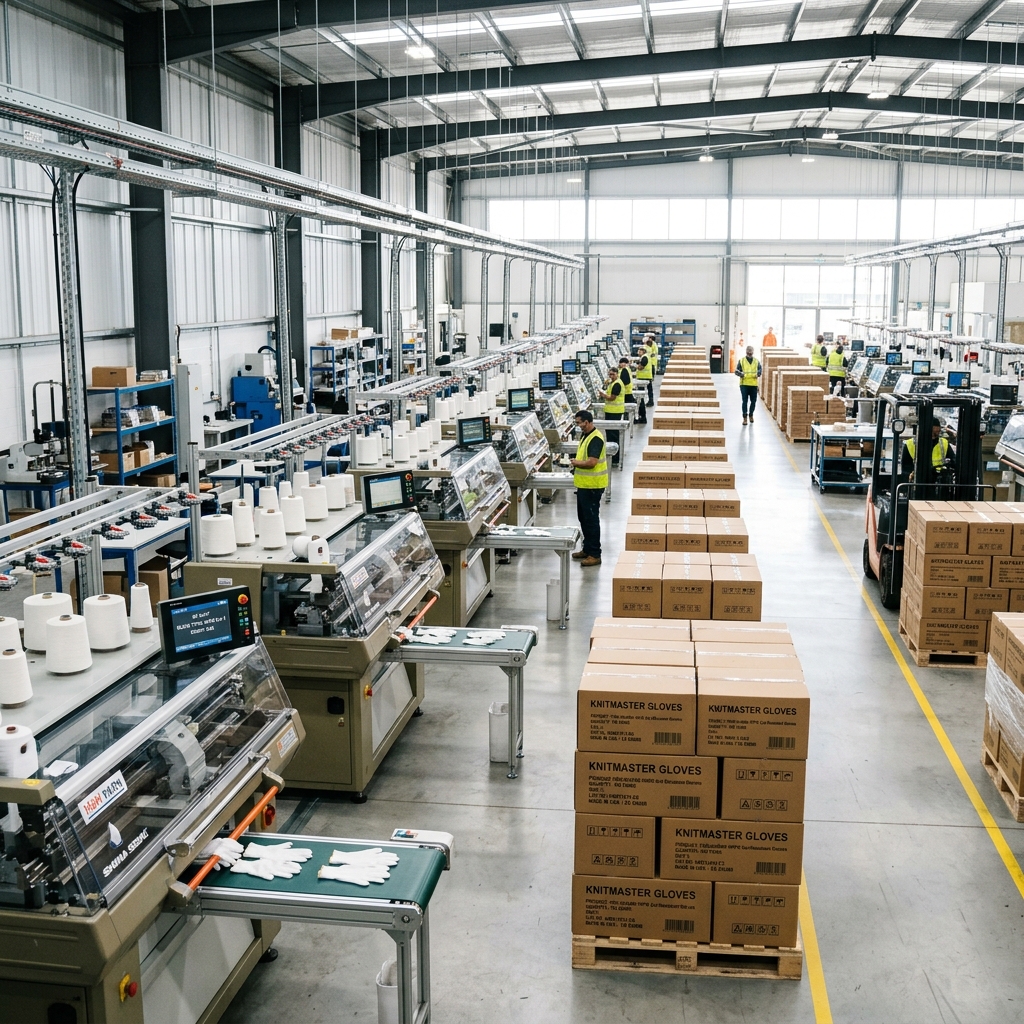
Illustration: RivCut
The process of getting tariff refunds is very slow. It is not as simple as asking for a refund check. Companies must file detailed reports. These reports go to U.S. Customs and Border Protection. The company must prove exactly how much tax they paid on each part. They must show import records, customs sheets, and shipping papers. This requires a huge amount of work. Even for a giant company like Apple, gathering this data takes months.
Also, the new rules require a binding plan. Apple must prove how it will spend the money. They must show blueprints for new factories. They must list the number of jobs they will create. U.S. Customs does not just trust the companies. They will audit the spending over several years. If they find that the company did not spend the money on U.S. factories, they will demand the money back. This is called a clawback. It makes the program a big financial risk.
If a company fails to meet its goals, the penalties are high. They might have to pay back the refund with interest. They could also face audits on other products. This is why many corporations are cautious. They must decide if the cash is worth the compliance burden. Apple is betting that their Arizona and Texas projects will meet the rules. They have the staff to manage the paperwork. But smaller companies might struggle with these requirements.
Why it matters for manufacturers
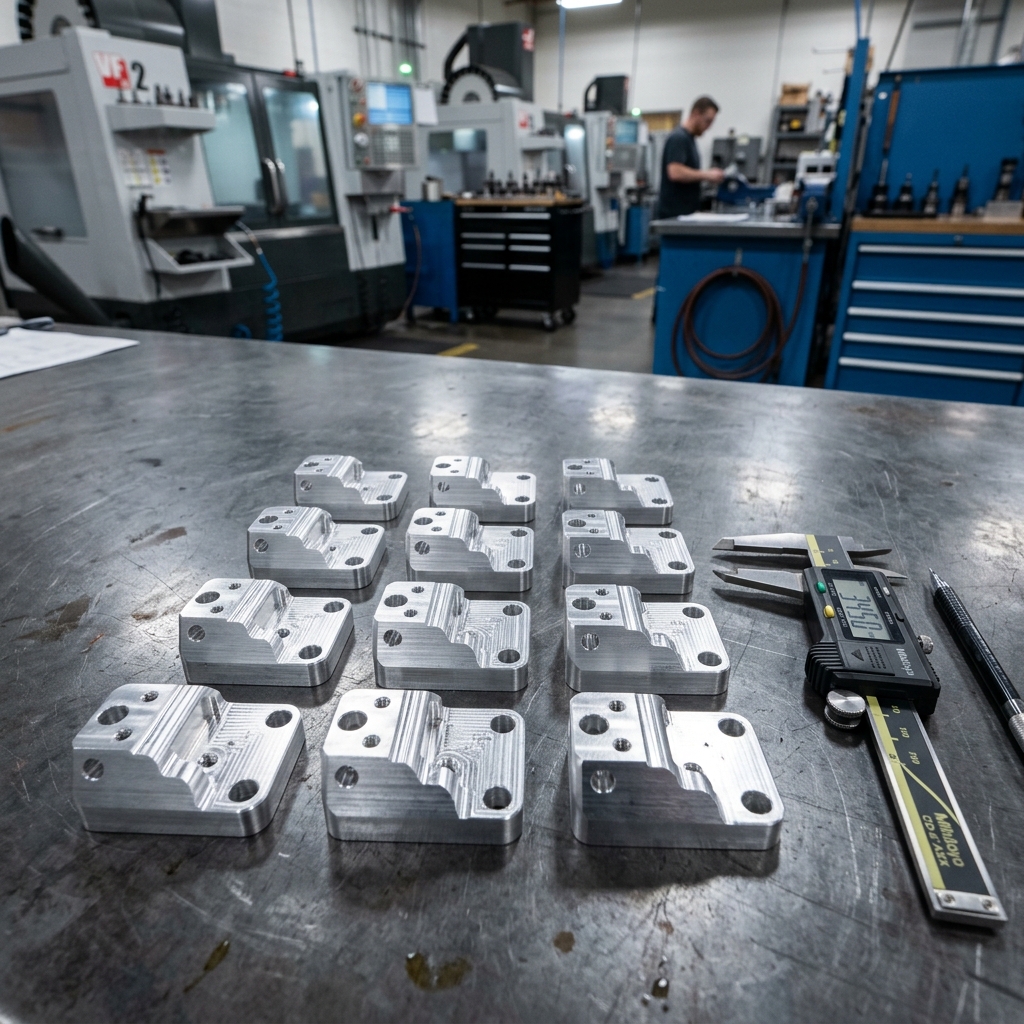
Illustration: RivCut
This is not just about Apple saving money. The program changes the incentives for reshoring. If companies can get refunds by building U.S. plants, more will try. This creates opportunities for local suppliers. Machine shops that make parts for electronics will see more orders. Apple will need U.S.-made brackets, housings, and thermal parts. Tier-one suppliers are already calling machine shops to check lead times. They want to find partners who can deliver parts quickly.
But the timing is a major challenge. TSMC's plant in Phoenix will not be ready for a long time. Foxconn's assembly site will also take time to build. But Apple needs to show progress quickly to keep the refunds. This creates a tight window. Machine shops must be ready to quote and build parts fast. Shops that take weeks to respond will lose the work. Speed and quality will be the key factors for winning contracts.
There is also political risk. Trade policy changes when new leaders are elected. The rules that help Apple today might change in two years. Manufacturers must be careful before spending millions on new machines. If they buy equipment to serve Apple, they must model the risk. The demand might disappear if Apple's plans change. The safest approach is to focus on general tooling and subassembly work. This work is needed no matter where the final assembly happens. It reduces the risk for the machine shop.
What to watch next
U.S. Customs will take several months to review Apple's request. If they approve it, other tech giants will file requests. Dell, HP, and Microsoft face the same tariff costs. They will want the same refunds. This would lead to more domestic investment. It would create a wave of new factory projects. We should watch the decisions from Customs closely.
We must also watch the audits in 2027. This is when the government will verify Apple's spending. If they find that Apple followed the plan, it will set a good precedent. But if Apple gets penalized, the program will look like a failure. Other companies will decide it is not worth the risk. The success of the reshoring push depends on these audits.
Finally, check if the refund rules become permanent law. Right now, they are temporary. If they become permanent, it will change how companies plan their supply chains. They will be more willing to build long-term factories in the U.S. If they expire, the reshoring wave will slow down. Suppliers must stay informed about these policy changes to protect their business.
Frequently Asked Questions (FAQ)
Why is Apple requesting tariff refunds from the US government?
Answer: Apple is requesting refunds under trade rules that allow companies to recoup duties paid on Chinese imports if they commit to investing those funds in US factories.
Where does Apple plan to spend the refunded tariff money?
Answer: Apple plans to invest the funds in tooling for advanced packaging lines in Phoenix, Arizona, and expanding its existing operations in Texas.
What is the estimated value of Apple's tariff refund request?
Answer: While Apple has not disclosed the exact sum, industry analysts estimate the company paid between $3 billion and $4.2 billion in tariffs since 2023.
What happens if Apple fails to meet its domestic investment commitments?
Answer: If Apple fails to build the planned capacity or create the required jobs within 18 months, the government can claw back the refunded money.
Tariff refunds only matter if companies actually spend them on US capacity — and Customs will check the receipts.